Creating a Family Memory Wall
TL;DR: Creating a Family Memory Wall is a meaningful way to keep your loved one close. This guide covers specific methods, step-by-step instructions, and creative ideas to get started.

Why Preserving Memories Matters
Creating a Family Memory Wall addresses one of the deepest fears in grief: forgetting. As time passes after a loss, the specific details of a person, their voice, their laugh, the way they moved through a room, can begin to fade. Preserving memories is not just a sentimental act. It is a way of maintaining your connection to someone who mattered.
Memory preservation also serves as a healing tool. The act of gathering, organizing, and reflecting on memories engages you actively with your grief rather than letting it sit unprocessed. Many people find that creating something tangible in honor of their loved one gives their grief a productive outlet.
For families with young children, memory preservation is especially important. Children who lost a parent, grandparent, or sibling at a young age may have limited memories of their own. The memories you preserve now become gifts that future versions of these children will treasure.
How to Get Started
Starting a memory preservation project can feel overwhelming, especially when you are still in the thick of grief. The key is to start small and build over time. You do not need to create a comprehensive memorial in one sitting.
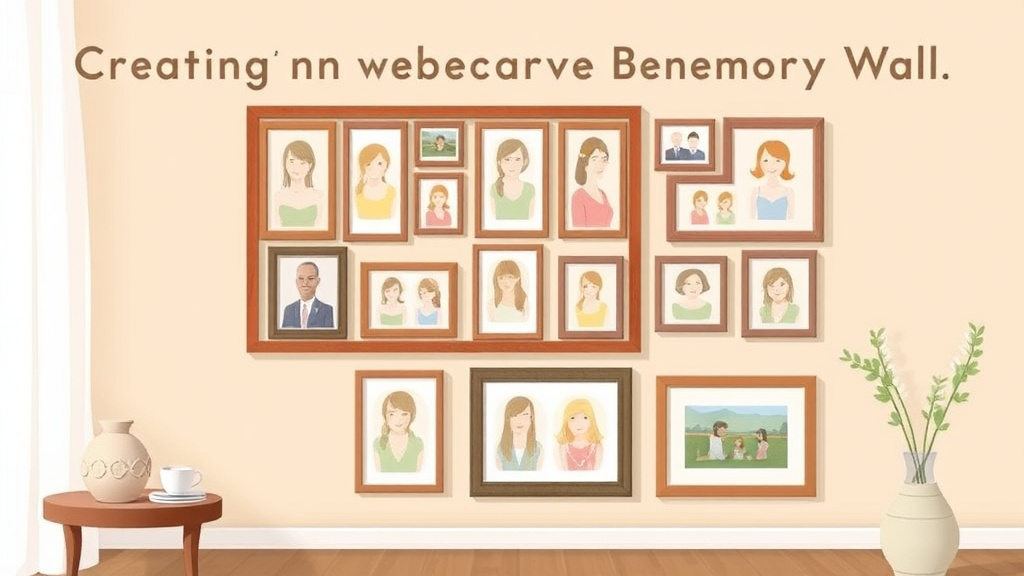
Begin by gathering what already exists. Photos, videos, voicemails, text messages, cards, letters, clothing, jewelry, and other personal items are all raw materials for memory preservation. Create a single box or folder where you can collect these items without worrying about organizing them yet.
Ask others to contribute. Friends, family members, coworkers, and community members may have photos, stories, and memories that you do not. Send a simple message asking people to share their favorite memory of your loved one. The responses you receive may include perspectives you never had access to.
GriefLantern is a $29 one-time guided grief journal and memorial pack: 90 days of gentle prompts personalized to your loss, a printable memorial spread, and practical checklists. An optional $4.99/mo companion sends gentle weekly prompts and seasonal notes if you would like to keep it. It is a self-guided journal, not therapy or medical care; if grief feels unmanageable, please reach out to a licensed counselor or call or text 988. See what it includes.
| Method | Materials Needed | Best For | Effort Level |
|---|---|---|---|
| Physical memory book | Album, photos, mementos | Hands-on, tangible keepsake | Medium |
| Digital memory book | App or website, digital photos | Easy sharing and backup | Low |
| Video tribute | Video clips, editing software | Capturing voice and movement | Medium to high |
| Memorial jewelry | Ashes, hair, or engraving | Wearable remembrance | Low (purchase) to high (DIY) |
| Memory quilt | Their clothing, sewing supplies | Tactile comfort | High |
| Written stories | Journal or document | Preserving personality and voice | Medium |
Methods and Approaches
There are many ways to preserve memories, and the best approach is the one that feels right to you. Physical memory books and scrapbooks offer a tangible, hands-on experience. Digital archives provide durability and easy sharing. Audio and video recordings capture elements that photos and writing cannot.
Consider combining multiple approaches. A digital backup of photos paired with a physical scrapbook and a written collection of stories creates a rich, multi-layered tribute. Each format preserves different aspects of the person you are remembering.
If you are a writer, consider documenting stories, conversations, and personality traits in essay or journal form. If you are more visual, a photo book or collage may feel more natural. If you work with your hands, a quilt made from their clothing or a woodworking project in their honor can be deeply meaningful.
Involving Others in the Process
Memory preservation does not have to be a solo project. Involving family and friends can turn it into a shared experience that strengthens connections and provides mutual support.
Hosting a memory gathering, where people come together to share stories, look at photos, and contribute to a memory book, can be a powerful way to honor the deceased while supporting each other. These gatherings often bring laughter and tears in equal measure, and both are welcome.
For children, involving them in memory projects gives them a sense of agency in their grief. They can draw pictures, dictate stories, choose photos, or create their own small memory box. The process of creating becomes a way of processing.
Keeping Memories Alive Over Time
Memory preservation is not a one-time event. It is an ongoing practice that evolves as you move through your grief journey. As years pass, you may discover new ways to honor and remember your loved one that you could not have imagined in the early days of loss.
Annual rituals, storytelling traditions, donations in their name, and revisiting your memory collection on meaningful dates all help keep the connection alive. The goal is not to live in the past but to carry the best of the past forward with you.
Whatever approach you choose, the act of intentionally preserving memories is a profound statement: this person mattered, their life had value, and they will not be forgotten.
Try our free tools
Frequently Asked Questions
When is the right time to start a memory preservation project?
There is no wrong time, but many people find that starting within the first year helps capture details while they are still fresh. If you are in acute grief and the project feels overwhelming, just start collecting materials, photos, voicemails, clothing, mementos, without worrying about organizing them. You can assemble everything later when you have more energy. The important thing is to save what you can before memories fade or materials are lost.
What if I do not have many photos of my loved one?
Photos are just one form of memory preservation. Written stories, personality descriptions, favorite recipes, handwriting samples, clothing items, and audio recordings all preserve different aspects of the person. Ask friends and family to share their memories in writing. Record yourself telling stories about the person while the details are vivid. Even a list of their favorite things, their catchphrases, or the way they made you feel can be a powerful form of preservation.
How do I involve children in memory preservation?
Children can contribute drawings, dictated stories, selected photos, and small crafts. Memory boxes are especially effective for younger children because they are tangible and interactive. Let children choose items that remind them of the person and decorate the box themselves. For older children, digital memory books, scrapbooking, and story-writing are all appropriate. The process of creating together is itself therapeutic and opens natural conversations about the deceased.
Should I preserve painful memories along with happy ones?
That is a personal choice. Some people find that including the full range of their experience, including the hard parts, makes the memorial feel more honest and complete. Others prefer to focus on positive memories. There is no right answer. If you are creating a memory book that others will see, consider whether certain details might be hurtful to other family members. A private journal can hold the complete truth while a shared memory book holds the curated version.
Can GriefLantern help with memory preservation?
GriefLantern is a $29 one-time guided grief journal and memorial pack: 90 days of gentle prompts personalized to your loss, a printable memorial spread, and practical checklists. An optional $4.99/mo companion sends gentle weekly prompts and seasonal notes if you would like to keep it. It is a self-guided journal, not therapy or medical care; if grief feels unmanageable, please reach out to a licensed counselor or call or text 988. See what it includes.
How GriefLantern Can Help
GriefLantern is a $29 one-time guided grief journal and memorial pack: 90 days of gentle prompts personalized to your loss, a printable memorial spread, and practical checklists. An optional $4.99/mo companion sends gentle weekly prompts and seasonal notes if you would like to keep it. It is a self-guided journal, not therapy or medical care; if grief feels unmanageable, please reach out to a licensed counselor or call or text 988. See what it includes.
The daily check-in takes about five minutes and asks how you are doing in a way that adapts to your answers. On hard days, it offers grounding exercises and gentle prompts. On better days, it helps you reflect on progress and set intentions. The journaling prompts are designed specifically for grief, covering topics like guilt, anger, gratitude, memory, and hope. They give your grief somewhere to go when it would otherwise just circulate in your mind.
The memory book is where many users find the most lasting value. You can upload photos, write stories, record milestones, and build a living tribute to the person you lost. Over time, it becomes a place you can visit when you want to feel close to them.
GriefLantern is a $29 one-time guided grief journal and memorial pack: 90 days of gentle prompts personalized to your loss, a printable memorial spread, and practical checklists. An optional $4.99/mo companion sends gentle weekly prompts and seasonal notes if you would like to keep it. It is a self-guided journal, not therapy or medical care; if grief feels unmanageable, please reach out to a licensed counselor or call or text 988. See what it includes.
Related Reading
- Creating a Scrapbook for Grief Healing
- Continuing Bonds with the Deceased
- Honoring the Deceased at Life Events
GriefLantern is a $29 one-time guided grief journal and memorial pack: 90 days of gentle prompts personalized to your loss, a printable memorial spread, and practical checklists. An optional $4.99/mo companion sends gentle weekly prompts and seasonal notes if you would like to keep it. It is a self-guided journal, not therapy or medical care; if grief feels unmanageable, please reach out to a licensed counselor or call or text 988. See what it includes.