Children Attending Funerals
TL;DR: Children Attending Funerals matters because age shapes how we understand and process death. This guide covers what to expect, how to help, and when to seek additional support.
How Age Shapes the Grief Experience
Children Attending Funerals is important to understand because developmental stage fundamentally shapes how grief is experienced, expressed, and processed. What works for one age group may be inappropriate or unhelpful for another.
Cognitive development, emotional maturity, life experience, and social context all interact with grief in complex ways. A child who has never encountered death before processes loss very differently from an elderly person who has survived multiple losses over decades.
Understanding these differences is not about ranking whose grief is harder. It is about meeting each person where they are and providing the kind of support that actually helps rather than the kind we assume should help.
Research in developmental psychology has given us a solid understanding of how grief looks at different ages. While every individual is unique, these patterns provide a useful starting point for understanding what someone might be going through and how best to support them.
Emotional and Behavioral Responses
At this developmental stage, grief often shows up in specific emotional and behavioral patterns. Some of these may look like grief in the traditional sense, but others may not be immediately recognizable as grief-related.
Behavioral changes are often the most visible sign, especially in younger people who may not have the vocabulary to express their emotions directly. Acting out, withdrawal, regression to earlier behaviors, changes in academic or work performance, and shifts in social engagement can all be grief responses.
Emotional responses may include sadness, anger, confusion, guilt, anxiety, and numbness. The intensity and duration of these emotions will vary based on the individual, their relationship to the deceased, the circumstances of the death, and the quality of support they receive.
One pattern that is consistent across ages is the wave-like nature of grief. People of all ages experience grief in waves rather than as a constant state. The waves may be more intense and frequent in the beginning and gradually space out over time, but they can resurface at any point, especially around anniversaries, holidays, and developmental milestones.
| Age Group | Understanding of Death | Common Grief Responses | Key Support Needs |
|---|---|---|---|
| Under 5 | Limited, concrete thinking | Regression, clinginess, confusion | Routine, simple language, physical comfort |
| 6 to 12 | Developing, may fear contagion | Acting out, school issues, magical thinking | Honest answers, normalizing feelings, structure |
| 13 to 17 | Abstract, existential questions | Risk-taking, withdrawal, identity shifts | Peer support, respect for privacy, availability |
| 18 to 39 | Full, but may lack experience | Isolation, milestone grief, anger | Peers who understand, practical resources |
| 40 to 64 | Full, with life context | Existential reflection, role changes | Community, meaning-making, self-care |
| 65 and older | Full, extensive experience | Cumulative grief, physical decline | Companionship, health monitoring, purpose |
What Helps at This Stage
Effective grief support must be tailored to the developmental stage of the person who is grieving. What helps a five-year-old is different from what helps a fifteen-year-old, which is different from what helps a fifty-year-old.
Regardless of age, certain fundamentals apply. Honest communication, consistent presence, validation of emotions, maintenance of routines where possible, and permission to grieve at one's own pace are universally helpful.
Age-specific strategies may include play-based approaches for young children, peer support for teenagers, practical resource navigation for adults, and companionship-focused support for elderly individuals. The medium changes, but the message remains the same: you are not alone, and your grief matters.
GriefLantern is a $29 one-time guided grief journal and memorial pack: 90 days of gentle prompts personalized to your loss, a printable memorial spread, and practical checklists. An optional $4.99/mo companion sends gentle weekly prompts and seasonal notes if you would like to keep it. It is a self-guided journal, not therapy or medical care; if grief feels unmanageable, please reach out to a licensed counselor or call or text 988. See what it includes.
Red Flags to Watch For
While grief is a normal response to loss at any age, there are signs that indicate someone may need additional support. These red flags look different depending on age and should be understood in context.
For children and teens, watch for persistent behavioral changes lasting more than a few weeks, significant regression, social withdrawal, declining school performance, expressions of wanting to die or be with the deceased, or signs of self-harm. In younger children, physical complaints like stomach aches and headaches may be the primary expression of grief.
For adults and elderly individuals, watch for inability to function in daily life beyond the first few months, excessive substance use, persistent insomnia, significant weight changes, expressions of hopelessness, or social isolation that deepens over time.
At any age, if someone expresses thoughts of suicide or self-harm, take it seriously and seek professional help immediately. The 988 Suicide and Crisis Lifeline is available 24/7 by calling or texting 988. Early intervention can make a critical difference in outcomes, especially for young people and elderly individuals who may be more vulnerable.
Supporting Across Generations
When a death affects a family, multiple generations may be grieving simultaneously, each in their own way. Understanding the age-related differences in grief helps family members support each other more effectively.
A parent grieving a spouse while also helping their children process the same loss faces a unique challenge. They must attend to their own grief while providing developmentally appropriate support to their children. This is one of the hardest things a person can do, and it is okay to ask for help.
GriefLantern is a $29 one-time guided grief journal and memorial pack: 90 days of gentle prompts personalized to your loss, a printable memorial spread, and practical checklists. An optional $4.99/mo companion sends gentle weekly prompts and seasonal notes if you would like to keep it. It is a self-guided journal, not therapy or medical care; if grief feels unmanageable, please reach out to a licensed counselor or call or text 988. See what it includes.
Try our free tools
Frequently Asked Questions
At what age do children understand death?
Children develop their understanding of death gradually. Before age five, most children do not understand that death is permanent. Between five and nine, they begin to grasp permanence but may believe death is selective or avoidable. By age nine or ten, most children understand death the way adults do: as permanent, universal, and inevitable. However, understanding death cognitively and processing it emotionally are two different things, and children at all ages need support.
Should children attend funerals?
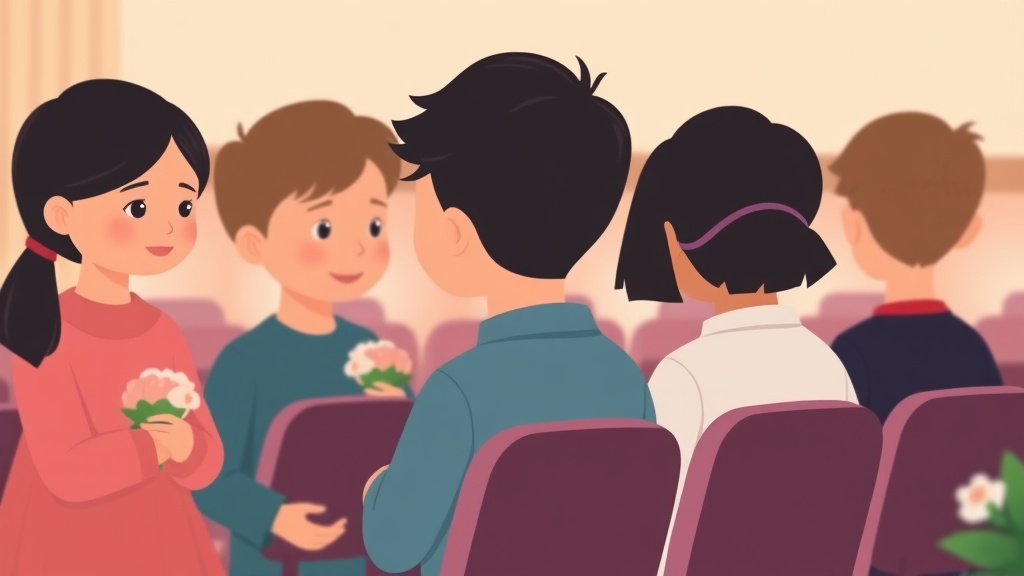
In most cases, yes, if the child wants to go and is prepared for what to expect. Attending funerals helps children understand the reality of death and gives them an opportunity to say goodbye. Prepare the child beforehand by explaining what will happen, who will be there, and what they might see and hear. Give them the choice of whether to attend and respect their decision either way. Have a trusted adult available to take them out if they become overwhelmed.
How is teen grief different from adult grief?
Teens are developing their identity, testing independence, and navigating complex social dynamics, all of which intersect with grief in unique ways. They may grieve intensely but in short bursts, returning to normal activities quickly before being hit by another wave. They may resist adult comfort and turn to peers instead. They are also at higher risk for risk-taking behavior as a coping mechanism. Give teens space while making it clear you are available.
Does grief get easier as you get older?
Not necessarily easier, but different. Older adults often have more experience with loss and may have developed coping mechanisms over time. However, cumulative loss, physical health decline, social isolation, and reduced independence can make grief in older age particularly challenging. Each loss also reopens earlier losses. The advantage of age is perspective; the disadvantage is accumulation.
How can GriefLantern help people of different ages?
GriefLantern is a $29 one-time guided grief journal and memorial pack: 90 days of gentle prompts personalized to your loss, a printable memorial spread, and practical checklists. An optional $4.99/mo companion sends gentle weekly prompts and seasonal notes if you would like to keep it. It is a self-guided journal, not therapy or medical care; if grief feels unmanageable, please reach out to a licensed counselor or call or text 988. See what it includes.
How GriefLantern Can Help
GriefLantern is a $29 one-time guided grief journal and memorial pack: 90 days of gentle prompts personalized to your loss, a printable memorial spread, and practical checklists. An optional $4.99/mo companion sends gentle weekly prompts and seasonal notes if you would like to keep it. It is a self-guided journal, not therapy or medical care; if grief feels unmanageable, please reach out to a licensed counselor or call or text 988. See what it includes.
The daily check-in takes about five minutes and asks how you are doing in a way that adapts to your answers. On hard days, it offers grounding exercises and gentle prompts. On better days, it helps you reflect on progress and set intentions. The journaling prompts are designed specifically for grief, covering topics like guilt, anger, gratitude, memory, and hope. They give your grief somewhere to go when it would otherwise just circulate in your mind.
The memory book is where many users find the most lasting value. You can upload photos, write stories, record milestones, and build a living tribute to the person you lost. Over time, it becomes a place you can visit when you want to feel close to them.
GriefLantern is a $29 one-time guided grief journal and memorial pack: 90 days of gentle prompts personalized to your loss, a printable memorial spread, and practical checklists. An optional $4.99/mo companion sends gentle weekly prompts and seasonal notes if you would like to keep it. It is a self-guided journal, not therapy or medical care; if grief feels unmanageable, please reach out to a licensed counselor or call or text 988. See what it includes.
Related Reading
- Supporting a Grieving Child
- Anticipatory Grief in Children
- Grief Camps for Children
GriefLantern is a $29 one-time guided grief journal and memorial pack: 90 days of gentle prompts personalized to your loss, a printable memorial spread, and practical checklists. An optional $4.99/mo companion sends gentle weekly prompts and seasonal notes if you would like to keep it. It is a self-guided journal, not therapy or medical care; if grief feels unmanageable, please reach out to a licensed counselor or call or text 988. See what it includes.